

Structural Efficiency: Why Weight Matters More Than Most Investors Expect
When evaluating an indoor sports facility, the discussion often starts with material cost. However, experienced developers focus on the total structural system rather than the price of raw materials alone.
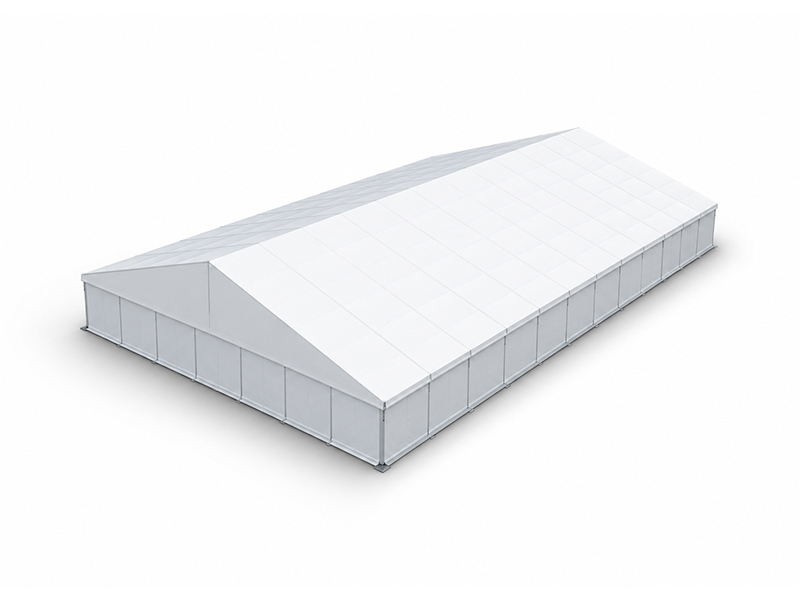
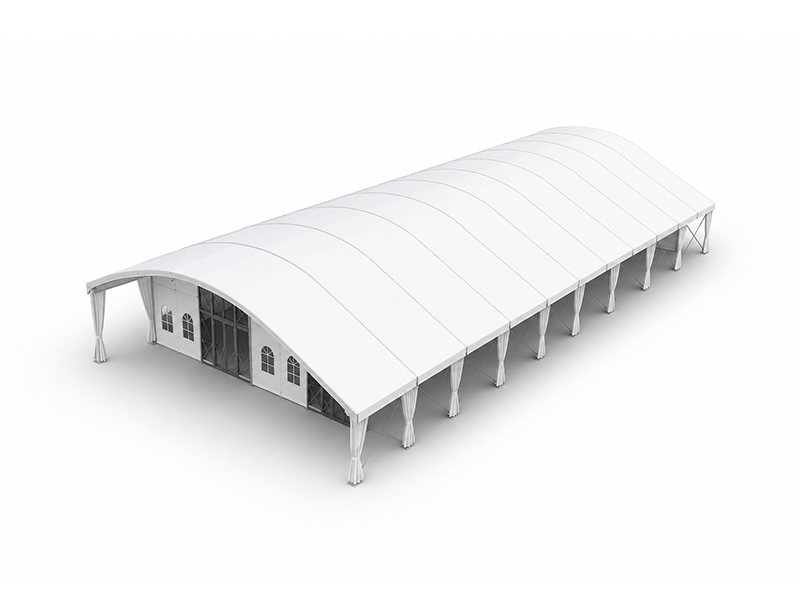
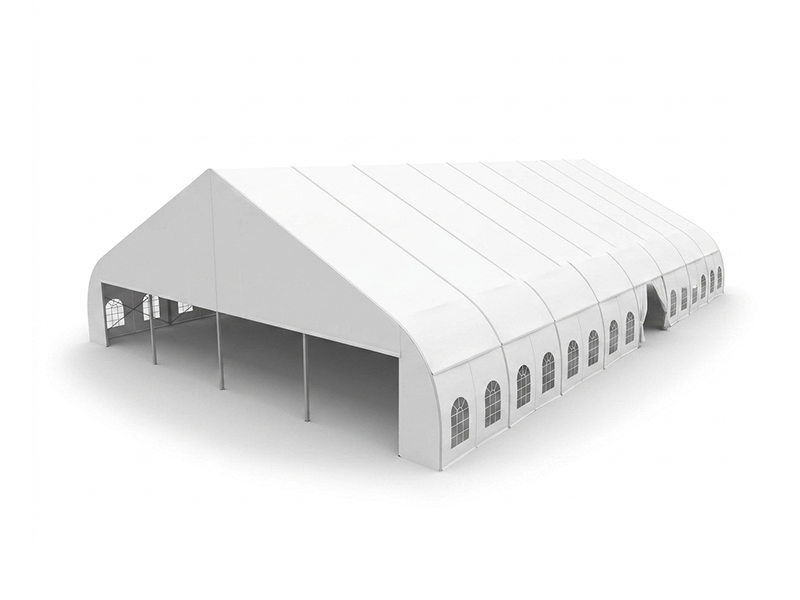
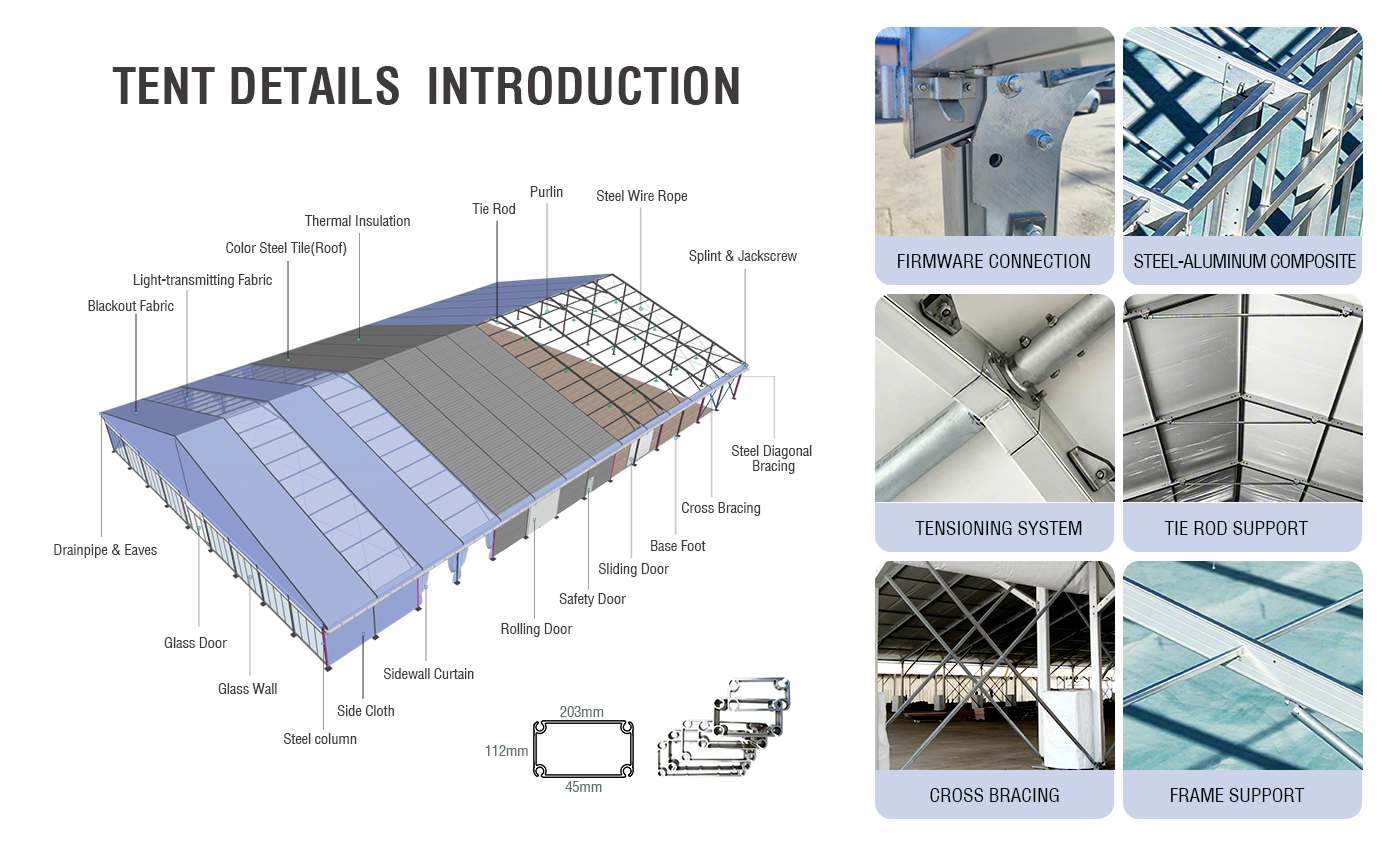
Aluminum structures are significantly lighter than comparable steel systems while maintaining the strength required for large-span sports buildings. This lower weight reduces transportation requirements, foundation loads, lifting equipment needs, and installation complexity. For indoor padel facilities, where clear spans and unobstructed playing areas are essential, aluminum offers an efficient balance between structural performance and construction practicality.
For projects requiring approximately 2,000–3,000 m² of covered space, these efficiencies can have a meaningful impact on overall project delivery costs and timelines.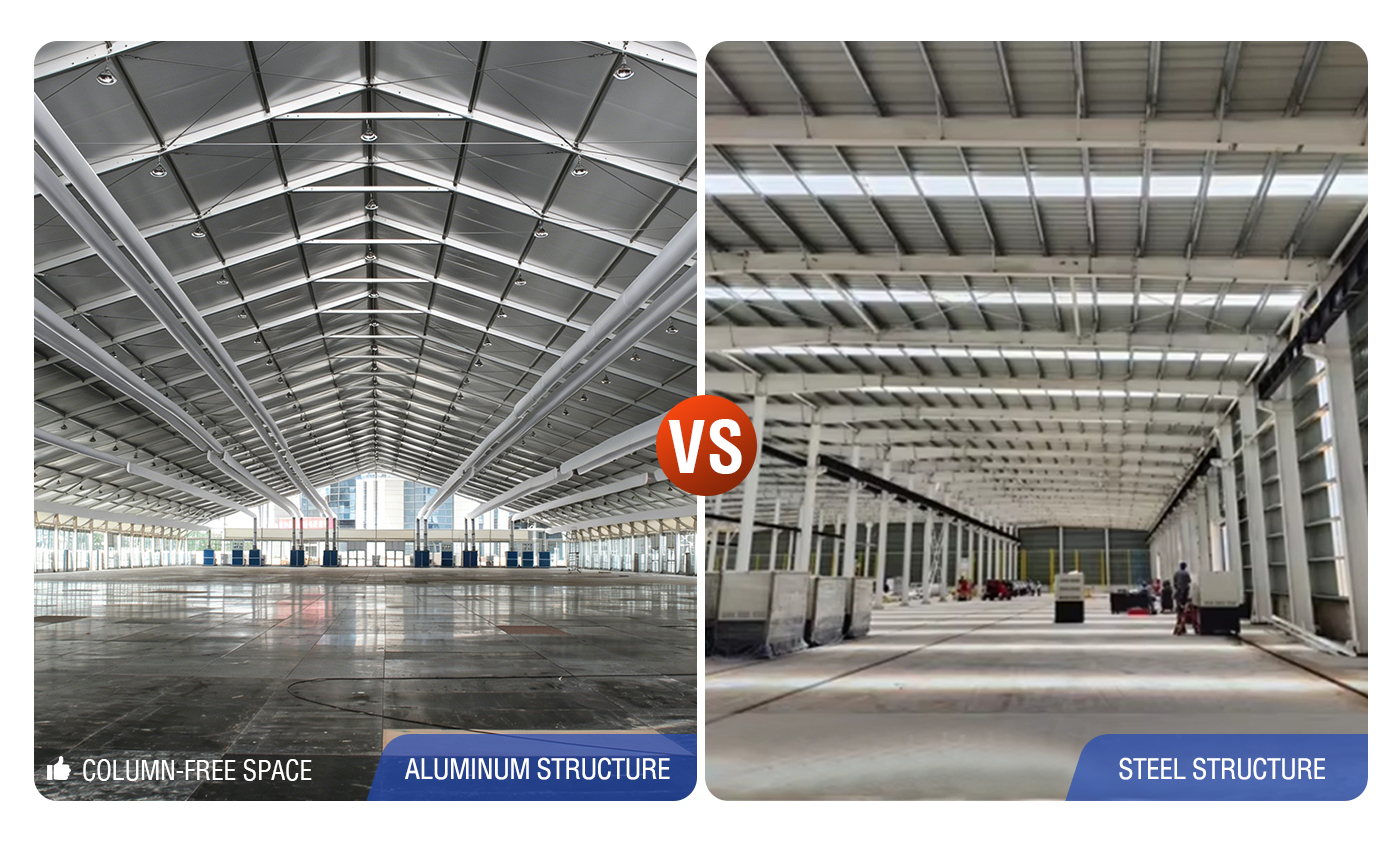
Long-Term Ownership Costs Often Matter More Than Initial Investment
The lowest purchase price does not always result in the lowest lifetime cost.
Steel structures typically require ongoing corrosion protection, periodic surface treatment, and maintenance over their operational life. In contrast, aluminum naturally forms a protective oxide layer that provides excellent resistance to corrosion without additional coatings.
For sports facilities expected to operate year-round for decades, maintenance expenses, downtime, and refurbishment requirements should be considered alongside the initial construction budget.
Investors evaluating indoor padel halls, tennis centers, or multi-sport facilities increasingly assess total cost of ownership rather than construction cost alone, particularly when the facility is intended as a long-term revenue-generating asset.
Climate Performance Is Critical for Indoor Sports Applications
A successful sports hall is not defined solely by the structure itself but by the environment it creates inside.
Indoor sports facilities in Europe must withstand snow loads, wind loads, seasonal temperature variations, and changing humidity levels. The structural frame, membrane system, insulation package, and HVAC design must work together as a complete building solution.
Modern aluminum sports halls can be combined with insulated membrane systems, energy-efficient ventilation strategies, and climate-control equipment to create comfortable playing conditions throughout the year. Properly designed systems also help minimize condensation, improve thermal stability, and reduce operating costs.
For sports operators, player comfort directly influences facility utilization and long-term business performance.
Clear Span Design Creates More Valuable Playing Space
One of the primary advantages of engineered aluminum structures is their ability to achieve large clear spans without internal support columns.
For padel facilities, uninterrupted space is essential. A typical 6–8 court layout requires careful consideration of court spacing, circulation areas, spectator zones, lighting arrangements, and maintenance access.
Column-free interiors provide greater flexibility for facility design, future modifications, and multi-purpose use. They also simplify lighting distribution and improve the overall playing experience.
As participation in indoor sports continues to grow across Europe, facility operators increasingly prioritize flexible layouts that can adapt to future operational requirements.
The Decision Should Be Based on Lifecycle Value, Not Material Preference
There is no universally correct choice between steel and aluminum. Both materials can be appropriate depending on project objectives.
Steel may be suitable where initial capital expenditure is the primary concern and long-term maintenance is less critical. Aluminum is often selected when project priorities include rapid installation, corrosion resistance, lower maintenance requirements, operational flexibility, and predictable lifecycle costs.
For indoor padel halls, tennis centers, football training facilities, and other sports venues, the most effective approach is to evaluate the complete building system—including structure, membrane, insulation, HVAC requirements, operating expenses, and expected lifespan—rather than comparing structural materials in isolation.
The objective is not simply to build a sports hall, but to develop a facility that remains efficient, comfortable, and economically sustainable throughout its service life.
Planning an Indoor Sports Facility?
Whether you are evaluating a padel hall, tennis center, football dome, or multi-sport venue, our engineering team can provide preliminary layouts, structural recommendations, climate-load assessments, and indicative budget estimates based on your project requirements.
Contact GS TENTS to discuss your site conditions, operational goals, and long-term investment objectives before selecting the most suitable structural solution.
