

When purchasing an industrial tent, warehouse tent, commercial tent, or sports structure, most buyers focus on the frame, size, and price. However, one of the most critical factors affecting the lifespan, safety, and performance of the structure is often overlooked—the PVC fabric.
The membrane covering your tent is the first line of defense against rain, wind, snow, UV radiation, and daily wear. Choosing the wrong fabric can result in premature aging, leaks, fading, and costly replacements. Choosing the right one can provide reliable protection for 10 to 20 years or more.
This guide explains everything you need to know about PVC tent fabric, including material types, fabric weights, fire safety standards, UV resistance, and how to evaluate suppliers before making a purchase.
What Is PVC Tent Fabric?
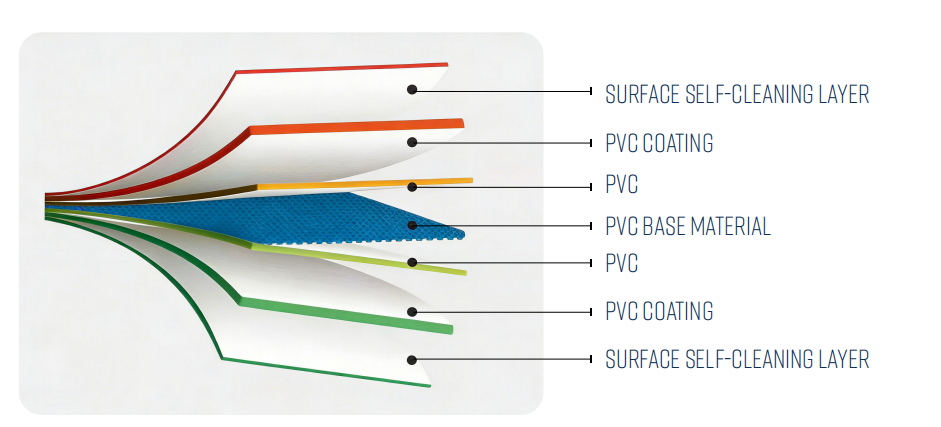
PVC tent fabric is a composite material consisting of a high-strength polyester base cloth coated with Polyvinyl Chloride (PVC). The polyester scrim provides tensile strength, while the PVC coating creates a waterproof, weather-resistant surface.
Due to its durability and versatility, PVC-coated polyester has become the industry standard for:
Industrial warehouse tents
Construction site shelters
Sports domes and sports halls
Commercial event tents
Aircraft hangars
Logistics storage structures
Emergency response shelters
Compared with traditional canvas materials, PVC fabric offers significantly better weather resistance, strength, and lifespan.
Understanding Fabric Weight (GSM)
Fabric weight is measured in GSM (grams per square meter) and directly affects strength and durability.
The most common specifications are:
| Application | Recommended Fabric Weight |
| Event tents | 650–750 GSM |
| Commercial tents | 750–850 GSM |
| Warehouse tents | 850–900 GSM |
| Heavy-duty industrial tents | 900–1050 GSM |
| Extreme climate structures | 1050+ GSM |
For most industrial projects, 850–950 GSM PVC-coated polyester provides the ideal balance between strength, flexibility, and cost.
Heavier fabrics generally offer greater resistance to wind, tearing, and long-term environmental exposure.
How PVC Fabric Enhances the Performance of Warehouse Tents?
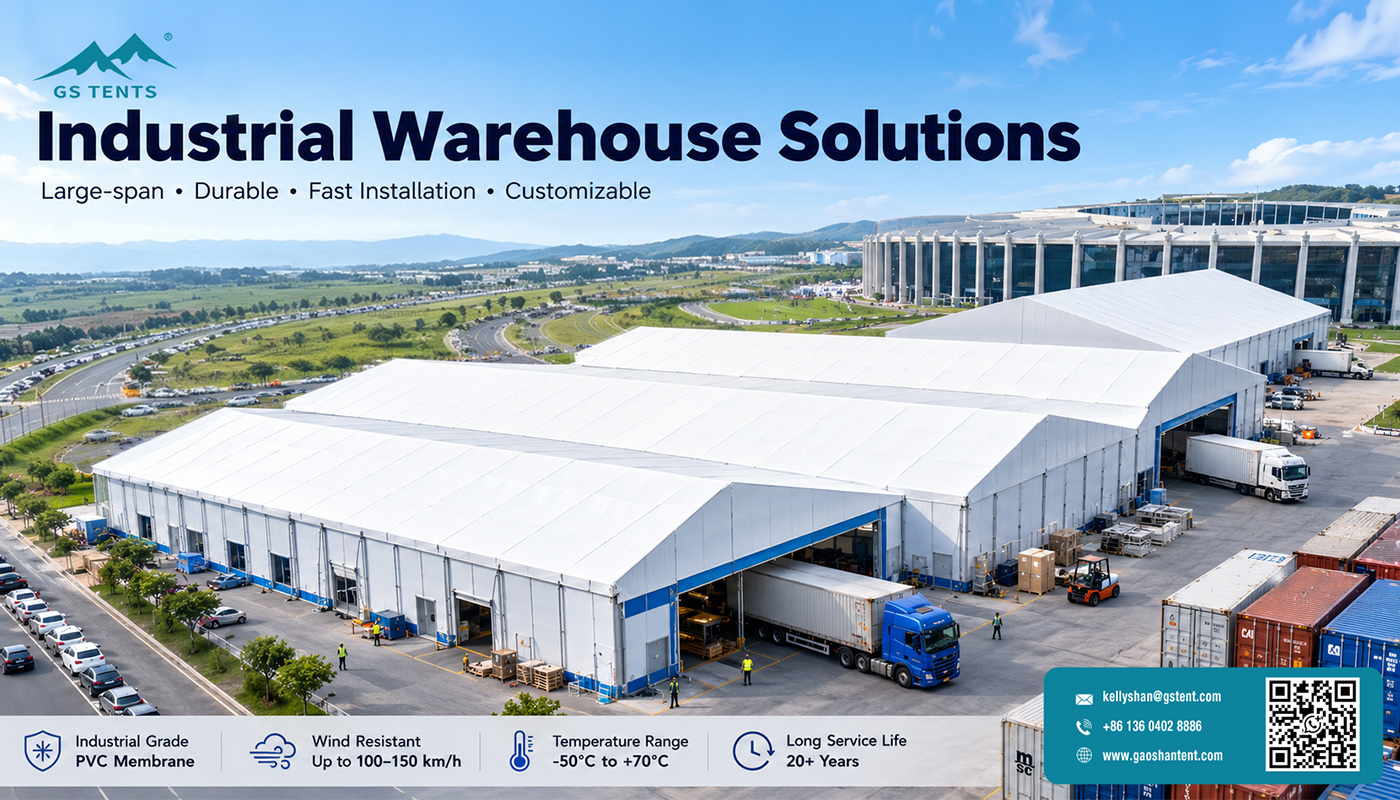
High-quality PVC-coated polyester fabric provides excellent waterproof protection, preventing rainwater penetration and safeguarding stored goods, machinery, and raw materials from moisture damage. Unlike traditional fabric materials, industrial-grade PVC membranes feature welded seams and non-porous surfaces that deliver consistent weather protection throughout the year.
In addition to waterproofing, PVC fabric offers superior UV resistance. Long-term exposure to sunlight can degrade ordinary materials, causing fading, cracking, and loss of strength. Industrial warehouse tents utilize UV-stabilized PVC membranes, often enhanced with PVDF surface coatings, to resist solar radiation and maintain structural performance even in harsh climates.
The fabric also contributes significantly to wind resistance. While the aluminum or steel frame provides the primary structural support, the tensioned PVC membrane helps distribute wind loads evenly across the structure. High tensile strength and tear resistance allow the fabric to withstand demanding operating conditions commonly found on construction sites, logistics hubs, mining operations, and industrial storage yards.
Another important advantage is fire safety. Professional warehouse tent fabrics are manufactured with flame-retardant treatments and can comply with international standards such as:
DIN 4102-B1 (Germany)
EN 13501-1 (Europe)
BS 7837 (United Kingdom)
M2 Fire Classification (France)
For heavy-duty industrial tents used on warehouse or other industry grade tent like construction sites, PVC-coated polyester fabric remains the industry-standard solution. Its superior strength, weather resistance, waterproof performance, UV stability, and longer service life make it the preferred choice for warehouse tents, equipment shelters, maintenance facilities, and temporary construction structures.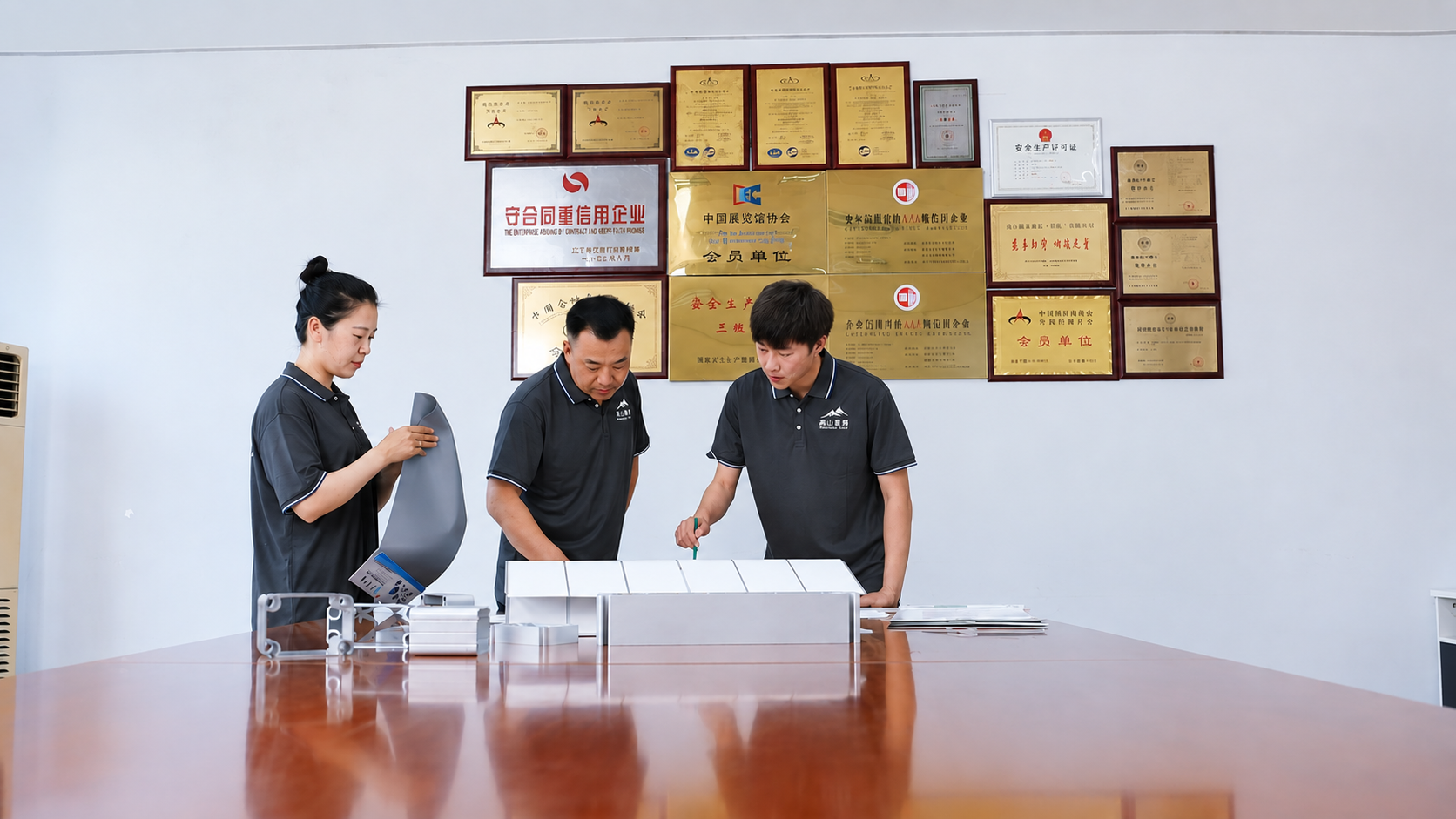
As a tent supplier with 23 years of industry experience, GS TENTS focuses not only on fabric weight and price, but also on certification test reports, flame-retardant compliance, UV protection, and mechanical strength data. If you are looking for heavy-duty tents, we sincerely hope you will choose the right membrane material to significantly enhance both the safety and durability of any industrial tent project, as well as its long-term operational reliability.
